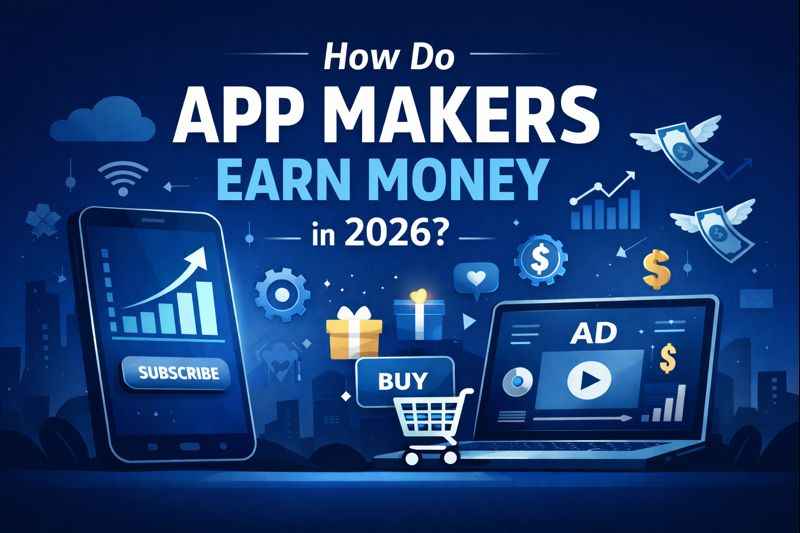
How do app makers earn money when so many apps are free to download? App revenue is built around user attention, engagement, and trust. Most app developers monetize through in-app advertising, subscriptions, in-app purchases, affiliate partnerships, data licensing, and sponsorships. Some rely on one primary income stream, while the most profitable apps combine multiple models to maximize lifetime user value.
With smartphones becoming central to daily life, understanding how app makers generate revenue also reveals practical ways to earn money using your phone-either by building apps, partnering with them, or leveraging the same monetization systems.
The App Economy in Simple Terms
Mobile apps are products, but they don’t behave like traditional products. Once built, an app can be distributed globally at near-zero cost per additional user. That’s why app makers focus heavily on scale, retention, and monetization efficiency rather than one-time sales.
According to data published by the U.S. Federal Communications Commission, mobile broadband usage and app dependency continue to grow across all age groups, creating consistent demand for mobile services and digital experiences. This usage growth is the foundation of app revenue potential.
Some apps earn a few hundred dollars a month. Others generate millions. The difference usually comes down to monetization strategy, audience quality, and execution.
In-App Advertising: The Most Common Revenue Model
How in-app ads work
In-app advertising is the backbone of free apps. Developers integrate ad networks that display ads inside the app, earning money based on impressions, clicks, or actions.
Common ad formats include:
- Banner ads (small, persistent placements)
- Interstitial ads (full-screen, shown between actions)
- Native ads (blend into app content)
- Rewarded video ads (users watch ads for benefits)
The more engaged the users, the higher the earnings.
How much do app ads pay?
Ad revenue varies based on:
- User location (US, UK, Canada pay more)
- App category (finance, productivity, gaming perform best)
- Ad format
- Session duration
Average mobile app CPMs often range between $1-$5, but premium niches can exceed that. Wikipedia’s overview of mobile advertising explains how targeting and engagement directly influence ad pricing.
Pros and limitations
Pros
- Works well for free apps
- Scales with traffic
- Easy to implement
Limitations
- Requires high user volume
- Poor ad placement can hurt retention
In-App Purchases: Turning Free Users Into Paying Customers
In-app purchases (IAPs) allow users to buy features, content, or virtual goods within the app.
Examples include:
- Game currency or extra lives
- Premium filters or editing tools
- Feature unlocks
- Ad removal
This model works best when users are already invested in the app experience.
One-time vs consumable purchases
| Type | Description | Example |
| Consumable | Used once | Game coins |
| Non-consumable | Permanent unlock | Ad-free version |
| Subscriptions | Recurring access | Premium tools |
Apple and Google typically take a 30% commission, while developers keep around 70%.
Subscription Models: Predictable, Scalable Income
Subscriptions are among the most valuable revenue models because they provide recurring income.
Apps that commonly use subscriptions:
- Productivity tools
- Fitness apps
- Learning platforms
- Streaming services
Why subscriptions outperform one-time payments
- Higher lifetime value
- Easier forecasting
- Stronger user relationships
- Incentivizes continuous improvement
Pricing usually ranges from $2.99 to $19.99 per month depending on value.
Paid Apps: Still Relevant, But Selective
Some apps charge upfront for downloads. This works best when:
- The app solves a very specific problem
- It replaces an existing paid tool
- The value is immediately clear
Paid apps are more common in professional niches like audio engineering, medical reference tools, and enterprise utilities.
Affiliate Marketing Inside Apps
Affiliate monetization allows apps to earn commissions by promoting third-party products or services.
Examples:
- Travel apps linking to booking platforms
- Finance apps recommending credit cards
- Shopping comparison apps
This approach blends well with content-based apps and requires fewer active users to generate income compared to ads.
Sponsorships and Brand Partnerships
When an app has a clearly defined audience, brands may pay for:
- Sponsored features
- Branded content
- Exclusive placements
- Co-marketing campaigns
This model is common in fitness, education, lifestyle, and niche community apps.
Data Monetization: Ethical, Aggregated, and Regulated
Some app makers earn money by selling anonymized usage data or insights. This only works when done responsibly and legally.
According to the Federal Trade Commission, user data must be anonymized, disclosed clearly, and handled under privacy laws. Apps that violate trust rarely survive long-term.
Ethical data monetization focuses on trends, not individuals.
Hybrid Monetization: How Top Apps Maximize Revenue
The most successful apps rarely rely on just one income stream.
A common hybrid setup:
- Free users see ads
- Power users subscribe
- Extra features sold via IAPs
- Affiliate offers inside content
This approach captures value from every user type without forcing payments.
Real-World Examples of App Revenue Models
| App Type | Monetization Strategy |
| Mobile game | Ads + in-app purchases |
| Fitness app | Freemium + subscription |
| Budget tracker | Affiliate + premium tier |
| Food delivery | Commissions + promotions |
| Content app | Ads + sponsorships |
How Reviews and Ratings Impact App Revenue
User reviews directly affect app visibility and conversion rates. Apps with higher ratings appear more frequently in app store search results and get more downloads.
App Store Fees and Revenue Splits
Most app marketplaces follow a standard split:
- Developer: ~70%
- Platform: ~30%
Some subscriptions qualify for reduced fees after one year. Understanding these costs is essential when pricing premium features.
How This Connects to Earning Money Using Your Phone
Understanding how app makers earn money also unlocks personal income opportunities.
Popular ways to earn money on your phone include:
- Building no-code apps
- Running ad-based content apps
- Affiliate marketing via mobile platforms
- Managing app review campaigns
- Freelancing for app developers
Many people earn side income without writing code by supporting apps through marketing, content, or user acquisition.
Common Myths About App Monetization
Myth: Apps make money automatically
Reality: Monetization requires strategy, testing, and optimization.
Myth: Only games make money
Reality: Productivity, finance, and utility apps often outperform games.
Myth: You need millions of users
Reality: Niche apps with the right audience can be highly profitable.
Pricing Transparency and ROI for Small Businesses
For businesses building or promoting apps, understanding marketing costs matters. Local visibility often plays a role in app adoption, especially for service-based apps.
Knowing how much to charge for local seo and comparing local seo prices uk helps small and medium businesses estimate realistic growth budgets.
Many agencies now include free SEO audits, clear deliverables, and transparent pricing to improve ROI and trust.
Pro Tips to Increase App Revenue
- Focus on retention before monetization
- Use analytics to track user behavior
- Test pricing tiers regularly
- Don’t overload free users with ads
- Ask for reviews at positive moments
- Optimize onboarding for first-time users
Frequently Asked Questions
How do free apps make money without charging users?
Through ads, in-app purchases, affiliate offers, and sponsorships.
Can a small app still be profitable?
Yes. Niche apps with loyal users often outperform mass-market apps.
Is subscription better than ads?
Subscriptions provide predictable income, but ads work better for casual users.
How long does it take for an app to make money?
It varies. Some earn within months, others take a year or more.
Do app makers get paid per download?
Only paid apps earn per download. Free apps earn through usage.
Are app store fees negotiable?
Generally no, but long-term subscriptions may qualify for reduced rates.
Can non-developers earn from apps?
Yes. Marketing, reviews, affiliate promotion, and content creation all offer income opportunities.
Is data monetization legal?
Only when anonymized, disclosed, and compliant with privacy laws.
Conclusion
So, how do app makers earn money in a competitive digital world? They focus on value creation, user experience, and diversified monetization strategies. Whether through ads, subscriptions, in-app purchases, or partnerships, revenue follows engagement. For entrepreneurs, bloggers, and digital marketers, understanding these models opens doors to new income streams and practical ways to earn money using your phone. The app economy rewards clarity, trust, and consistency principles that continue to drive long-term success.